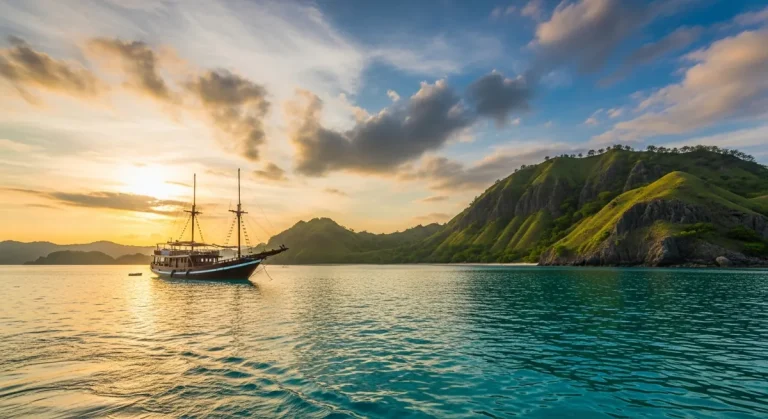
Essential safety tips for private boat trips in Labuan Bajo
– Always check weather conditions before departure.
– Use life jackets and safety equipment on board.
– Hire experienced crew members familiar with local waters.
Labuan Bajo is a gateway to some of Indonesia’s most extraordinary marine landscapes, particularly around Komodo National Park and the islands of Flores. While the beauty of this region is undeniable, ensuring safety during your private boat trips is paramount. Here are essential safety tips to keep in mind when setting out on your adventure.
1. Understand Local Weather Conditions
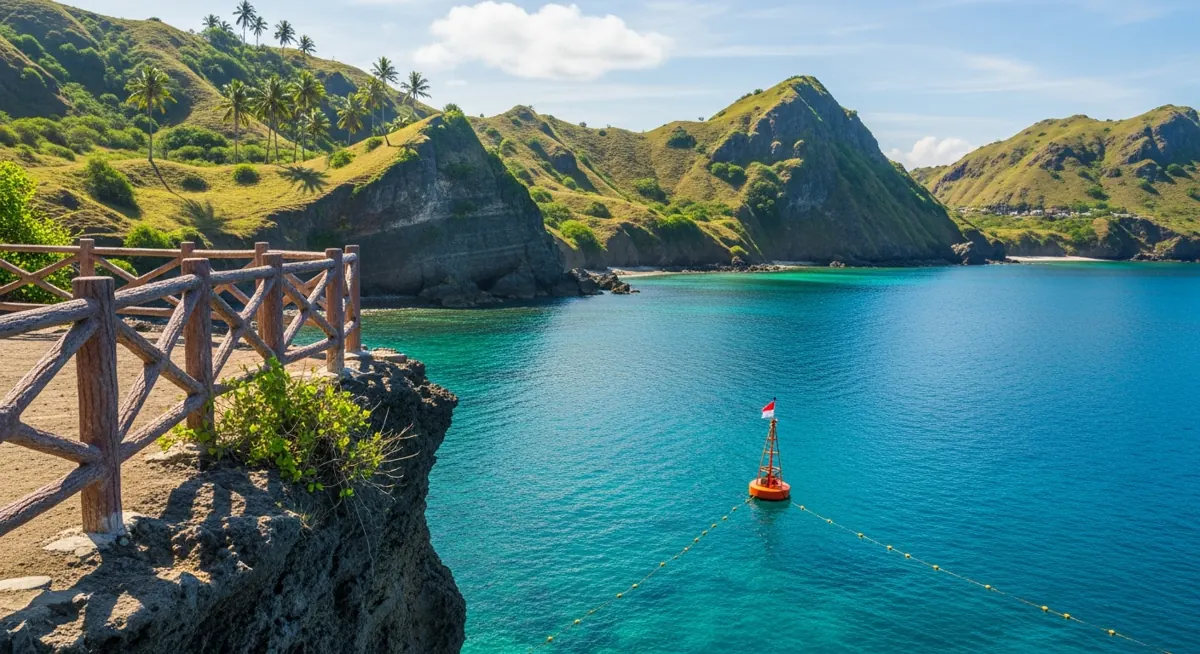
Weather can change rapidly in the tropical climate of Labuan Bajo. Before setting sail, always monitor local weather forecasts. The best time for boat trips is typically from April to December, when the seas are calmer. However, sudden storms can occur, so be prepared to adapt your plans. Key points to consider include:
- Check hourly forecasts on reliable weather apps.
- Be mindful of wind speeds; anything above 15 knots may be risky.
- Consider local advisories and heed them seriously.
2. Essential Safety Equipment
Before you begin your private boat, ensure that it is equipped with the necessary safety gear. This includes:
- Life jackets for every passenger. These should be easily accessible.
- A first-aid kit stocked with basic medical supplies.
- A fire extinguisher, especially if you’re on a larger vessel.
- A signaling device, such as a whistle or flare, to attract attention in case of an emergency.
Inspect all safety equipment before departure to ensure it is in good working condition.
3. Hire Experienced Crew Members
Having a knowledgeable crew can significantly enhance both safety and enjoyment. When selecting a private boat charter, consider the following:
- Choose a company with experienced captains and crew members who are familiar with the local waters.
- Inquire about the crew’s certifications and training in maritime safety.
- Ask for references or reviews from previous customers to gauge the company’s reliability.
Experienced crew members can navigate challenging waters, respond to emergencies, and provide valuable insights about the area.
4. Understand Your Vessel
Familiarize yourself with the boat you will be using. Understand how to operate the vessel, including:
- Checking fuel levels and knowing how to refuel if necessary.
- Understanding the navigation and communication equipment.
- Learning how to use emergency equipment onboard.
Before departure, conduct a safety briefing with the crew and passengers to ensure everyone knows how to respond in case of an emergency.
5. Maintain Communication
Keeping communication lines open is crucial for safety. Here’s how you can ensure effective communication:
- Equip your boat with a reliable communication device, such as a VHF radio.
- Share your itinerary with someone on land, including expected return times.
- Establish a check-in system with friends or family, especially if you’re venturing to remote areas.
6. Protect Against Sun and Sea Conditions
Spending extended periods on the water exposes you to the sun and potential sea sickness. Here are some tips:
- Apply waterproof sunscreen regularly to avoid sunburn.
- Wear hats and sunglasses to protect against UV rays.
- Stay hydrated; bring plenty of water on board.
- Consider medications for sea sickness if you are prone to motion sickness.
7. Respect Marine Life and Environment
Labuan Bajo and its surrounding waters are home to unique marine ecosystems. Ensure you follow these guidelines:
- Do not disturb wildlife; maintain a safe distance from animals such as manta rays and turtles.
- Avoid littering; bring back all waste and dispose of it responsibly.
- Be cautious when snorkeling or diving; do not touch or stand on coral reefs.
8. Emergency Protocols
Even with the best precautions, emergencies can happen. Be prepared by having a clear plan in place:
- Establish emergency roles among the crew and passengers.
- Know the nearest ports or safe harbors in case of an emergency.
- Have a plan for medical emergencies, including how to contact local services.
Conduct drills or briefings before departure to ensure that everyone knows what to do in an emergency.
9. Be Mindful of Local Regulations
Understanding and adhering to local maritime regulations is crucial for safety. Key regulations include:
- Always carry the required documentation for your vessel.
- Follow local fishing and diving regulations to protect marine life.
- Be aware of designated safe zones and prohibited areas.
For further details on local regulations and best practices, refer to resources like our labuan Bajo Private Boat Pricing & Cost Guide guide.
10. Consider Insurance
Finally, consider purchasing travel and boat insurance to cover potential accidents or damages. Look for policies that include:
- Coverage for personal injuries sustained during the trip.
- Liability coverage for damages to the boat or third parties.
- Trip cancellation coverage in case of unforeseen circumstances.
By following these essential safety tips, you can ensure that your private boat trip in Labuan Bajo is both enjoyable and secure. The combination of striking views, rich marine life, and adventure awaits, and being prepared will make your experience in this tropical sanctuary truly singular.
Planning specifics? See check what’s included or book Labuan Bajo Private Boat | Labuanbajoprivateboat.